

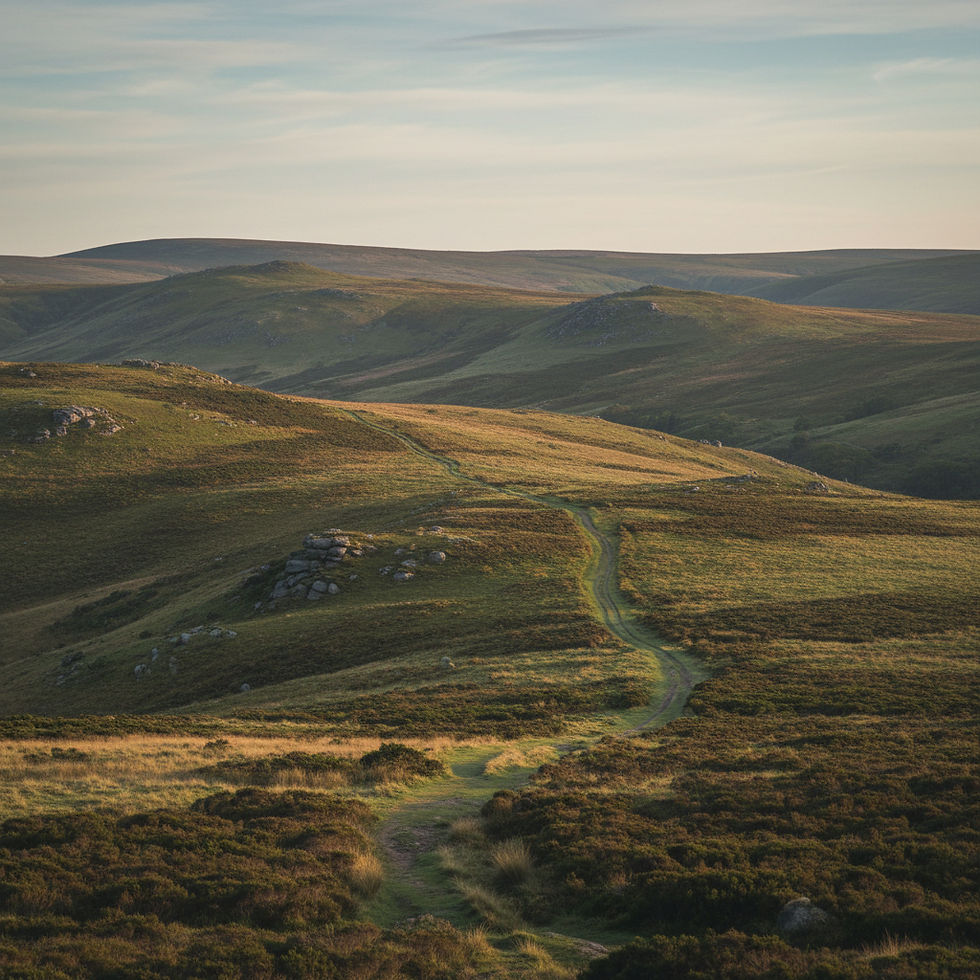
Creatures you may see during your stay




These are just a handful of the birds and animals you might encounter during your stay, and a few of your hosts’ favourites. Tom and Victoria love to hear about new sightings when guests return from their rambles and rides.
Bank Vole
Resident in England since before the Ice Age, these delightful woodland creatures remain active year-round, eating berries, nuts, fungi, insects, and bark, which they store underground for the winter months. Among Britain's most common small mammals, they are the staple prey of owls and kestrels.
Barn Owl
These ghostly silent assassins have lived alongside us for thousands of years, controlling rodent populations in farm buildings and enchanting us with their heart-shaped faces and almost spiritual, fleeting presence.
Brown Trout
One of the finest freshwater fish to eat, the iconic brown trout is highly sensitive to water quality, so their presence is evidence that the river is in good health.
Buzzard
An almost constant presence in the sky, the broad-winged and rather butch buzzard is thriving on Dartmoor and can live for as long as 25 years. Reputedly a rabbit specialist, their diet is surprisingly varied—including beetles, carrion, frogs, berries in lean times—and after heavy rainfall, they can be seen walking methodically across fields pulling earthworms from the ground.
Cuckoo
Dartmoor has one of the highest populations of breeding cuckoos, now on the UK Red List of endangered species. Providing a true refuge, Dartmoor is home to the cuckoo's chief host, the meadow pipit. It can take the female cuckoo just ten seconds to lay her egg, which resembles that of the unwitting foster parent's, and off she flies.
Curlew
One of the last strongholds of breeding curlews, Dartmoor's wetlands provide the perfect habitat. Ageing populations—they live up to 30 years—across the UK are not replacing themselves and the Dartmoor Curlew Recovery Project, funded by the King Charles III Charitable Fund and the Duchy of Cornwall, aims to establish a self-sustaining breeding population.
Dartford Warbler
Britain's only resident warbler loves Dartmoor's abundance of heather and gorse. These stunning birds came back from the brink of extinction following the big freeze of 1963, but they remain on the Red List.
Deer
Fallow, roe and some red deer can all be found around the woodlands of Dartmoor, with sika, muntjac and Chinese water deer putting in an occasional appearance. Dawn and dusk are the best times to see deer.
Dipper
Keep your eyes peeled for the distinctive dipper, rhythmically bobbing on rocks by the Mardle. The UK's only aquatic songbird, they forage on mayfly larvae, freshwater shrimps and caddisflies, and have a transparent third eyelid for seeing underwater.
Dormouse
One of Britain's least observed, but most charming mammals, the tiny, golden dormouse hibernates from October to April, lives in scrubland and hedgerows and is almost entirely nocturnal. Extinct in 20 of England's 48 counties, the dormouse is a protected species and a focus of The Woodland Trust, who are managing Dartmoor woodland to be dormouse-friendly, while also providing nest boxes.
Duck
The Mallard loves the Mardle! This super successful species—that feasts on aquatic plants, insects, worms, snails, seeds and small fish—is the ancestor of nearly all domestic ducks. Living their best life in the wild, you're likely to see them with ducklings in tow from April through July. Keep an eye out, also, for the less common Mandarin duck, which may be found nesting during April and May in trees along the banks of the Mardle.
Fox
He needs no introduction, polarises public opinion, and can be a conservationists' nemesis, preying on endangered ground nesting birds such as the curlew and lapwing. However, these playful problem solvers can be a joy to observe. During cubbing, the dedicated dog fox can cover many miles of Dartmoor in a single night's hunting, to bring food to the nursing female, and vixens from the previous year's litter will sometimes assist with cub-rearing.
Frog
The croaking chorus of the common frog at a breeding pond in late February is one of the earliest signs that spring is on its way. Spawning through to April, frogs are still thriving in our part of the world—where so much of their habitat has been lost across the UK, unfarmed Dartmoor retains plenty of frog-friendly boggy mires, moorland pools and untamed streams.
Golden Plover
One of Britain's most beautiful waders, the golden plover is now an extremely rare summer species on the moor—it is believed that only two breeding pairs exist. However, they arrive in their hundreds in autumn from breeding grounds in Iceland, Scandinavia or northern Scotland, and contribute to the moor's soundscape with their distinctive and evocative call.
Greater Horseshoe Bat
While Dartmoor boasts nearly all of the UK's 16 bat species, Old Brook Farm is located in the specific corner of South Devon that is home to the largest population in Europe of the rather rare Greater Horseshoe Bat. With the body the size of a small pear, and a wing span of up to 40cm, it is one of Britain's biggest bats and seeing hundreds leaving their roosts near Buckfastleigh on a summer's evening is a sight to behold.
Grey Wagtail
Grey wagtail is as much a misnomer as Dartford warbler. (Note: there are no warblers in Dartford!) One of the UK's most colourful birds, his lemon yellow underparts tend to be much more noticeable than his slate grey back and wings. The female shares the same beautiful colouring, albeit slightly less bright, and it is a joy to watch these delightful birds launching aerial sorties from their perch to catch flying insects.
Heron
Where there are fish, there are herons. And every Dartmoor river will have its resident grey herons. With extraordinary patience, the heron will stand motionless by the Mardle, sometimes for up to 30 minutes, then strike with lightning speed the moment a fish comes within range. Their very varied diet includes frogs, newts, voles, water shrews, small birds and large insects, but they're particularly partial to a brown trout!
Kestrel
Kestrels are a constant on Dartmoor, with the granite tors being perfect lookout posts and roosting spots. Voles serve as their primary prey, with insects—beetles, grasshoppers and crane flies—a significant part of their diet in summer. Once the most common bird of prey in the UK, it is now on the Red List, and Dartmoor represents an increasingly important refuge for the species.
Kingfisher
If you're idling by the Mardle, keep your eyes peeled for a flash of electric blue at the water's surface, accompanied by a penetrating whistle—this may be your only encounter with these magical birds, as they dive with lightning speed and spear their prey. Kingfishers are thriving in this part of the world, each breeding pair often defending against other kingfishers a few kilometres of river territory. During the three weeks between their chicks hatching and fledging, both parents fish and feed, delivering to the nest every few minutes from dawn to dusk.
Meadow Pipit
As well as being the cuckoo's most important host species on Dartmoor, the poor pipit is also the staple prey of the merlin, Britain's smallest bird of prey. Remarkably tough for a tiny bird weighing the same as a pound coin, the lovely meadow pipit is Dartmoor's most common songbird, and their chirping is a constant contributor to the moor's soundscape.
Newt
Dartmoor is one of the few corners of the country that is home to all three of our native newts. Favouring the peaty ponds of the uplands, the palmate newt is the only one you'll encounter in the high country. Britain's most common, the smooth newt can be found in the moorland margins and, for most of the year, lives entirely on land. Requiring deep, fish-free ponds surrounded by rough grasslands/hedges, the great crested newt is our largest, and most rare. Resembling a miniature dragon, he is a UK Priority Species whose habitat is legally protected.
Otter
The otter's story is truly one to celebrate. In the 1980s they had been reduced to a tiny population, existing in just Cornwall and remote Scotland. However, the Wildlife and Countryside Act of 1981 afforded them serious protection and, by the 1990s, they were back on every river in the country. Dartmoor's are among the best otter rivers in southern England and, like the brown trout and the kingfisher, they are a reliable indicator of river health.
Skylark
Dartmoor is a skylark stronghold. Where farming practices and loss of habitat have caused a dramatic decline in their UK population, Dartmoor's rough grassland provides exactly what skylarks need: ideal conditions for ground nesting, and an abundance of seeds and insects. Singing in flight for up to an hour without pause, their joyful warbling is arguably the main soundtrack of Dartmoor.
Snake
The longest of Britain's three native snake species, with females sometimes exceeding 1.5 metres, the grass snake is another from the priority protected species list thriving in this part of the world. Spotted close to the river at Old Brook Farm, the plentiful supply of amphibians and undisturbed woodland close to water makes for a perfect habitat. Higher up on the moor, benefiting from the abundance of voles and south facing heather slopes, adders are thriving, but natural shyness and excellent camouflage means you'll be lucky to sight one.
Sparrow Hawk
The sparrow hawk is another species that has made a remarkable comeback; populations plummeted in the 1960s due to the use of pesticides in agriculture, but it is now the second most numerous raptor on Dartmoor, behind the common buzzard. With their short wings and long tails, they're perfectly designed for high speed manoeuvring through woodland, and their diet is made up almost entirely of small birds.
Stoat
One of the moor's most versatile small predators, stoats thrive in every habitat—from grassland to river valleys, to woodland edges and stone walls—and they pose a serious threat to ground nesting birds. Field mice, voles and rabbits are their staple diet, however, and they are relentless and ferocious hunters. Along with the weasel, the badger and the otter, they are Dartmoor mustelids, and this part of the world boasts one of the richest mustelid communities of southern England.
Stonechat
These delightful robin-sized birds with orange breasts are a year-round resident on the moor, favouring gorse and heathland. Bold and curious, you will very likely encounter them on your hike, observing you from a nearby perch. The name stonechat perfectly describes their call—a sharp, hard "tsc-tsc" that sounds exactly like two pebbles being struck together.
Swallow
Arriving each April from sub-Saharan Africa, these much loved aerial acrobats can catch over 800 insects a day during breeding season and live to around ten years old. Celebrated symbols of spring, they have inspired countless works of literature and are mentioned in four separate passages in the Old Testament of the Bible.
Swift
While swifts and swallows independently evolved similar body shapes for insect hunting, the swift is, in fact, more closely related to the hummingbird than the swallow! Spending the winter in sub-Saharan Africa, they arrive in late April or May and depart in late July/August—the bare minimum needed to breed. Eating, drinking, mating and even sleeping on the wing, they never need land, except to lay eggs and incubate their chicks. Their nests are constructed entirely from materials caught in the air—feathers, seeds, plant fragments and insects—all gathered on the wing and glued together with saliva.
Tawny Owl
The perfectly camouflaged tawny owl is almost impossible to spot against a tree trunk, and the ancient oaks of the moor's valley woodlands provide their perfect habitat. Unlikely to leave once their territory has been established, a tawny owl heard calling from a Dartmoor wood may have been there for 20 years. Old Brook Farm camping guests will often report falling asleep to the magical, evocative hoot of the male tawny proclaiming his patch.
Toad
One of Britain's longest-lived amphibians, the common toad can reach 40 years of age and they thrive around Dartmoor's bogs, ponds and moorland pools. Every spring, toads journey back to the same pond where they were born, the female laying up to 5,000 eggs in long strings, often wrapped around aquatic plants. Sometimes travelling over a mile to reach their breeding pond, they will often cross rough terrain and roads—toad patrols on Dartmoor roads, run by volunteer groups, can save thousands during migration season.
Wheatear
Meaning literally "white arse" in 16th Century English, this beautiful bird's name refers to its bright white rump which flashes noticeably when it takes flight, and is used as a visual signal to other birds. Typically appearing on Dartmoor's open rocky moorland from mid-March, from sub-Saharan Africa, they undertake one of the most extraordinary migrations of any songbird, on wings that are just a few centimetres long.
Wisht Hounds
Although the last reported sighting was around 100 years ago, it is believed by some that these baleful black dogs still dwell in the moors, frequenting crossroads and burial sites. Listen at night for the sound of distant baying!